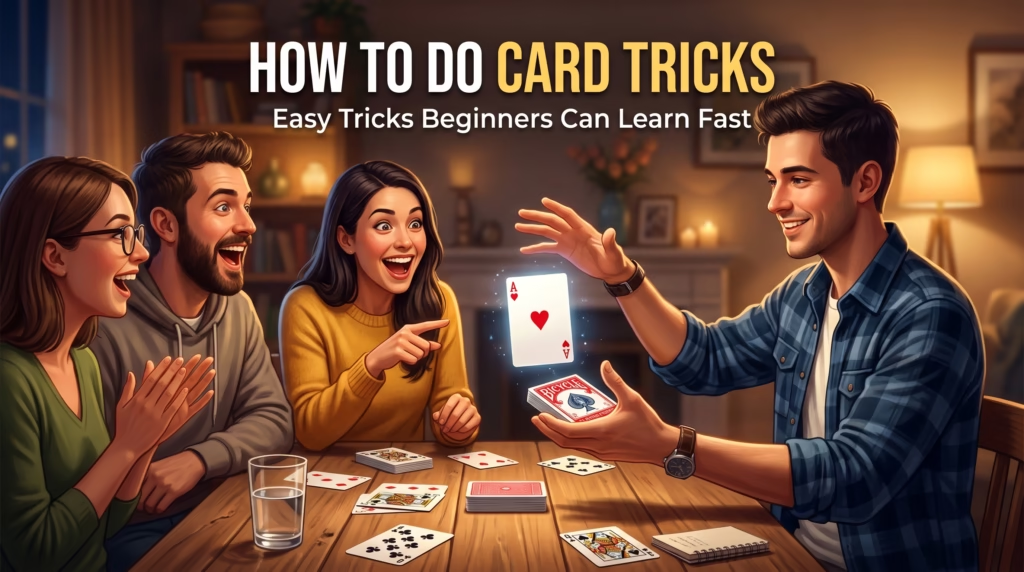
Learning how to do card tricks is one of the easiest ways to get started with magic. A few basic moves, a little practice, and a simple performance style can make ordinary playing cards look impressive fast. You do not need a huge prop collection or advanced sleight of hand to begin. You just need a good deck, a quiet place to practice, and a willingness to repeat small actions until they feel natural.
The best beginner card tricks do two things well: they look magical to an audience, and they help you build core skills for future tricks. That means you can start with self-working effects, then move into simple sleights like the double lift, basic controls, and easy false shuffles. If you are patient and focused, you can learn a few strong tricks in a matter of hours or days, not months.
Understanding the Basics of Card Tricks
Card tricks are performances that create an effect with a deck of cards, such as a vanished card, a predicted card, a changed card, or a card that seems to move on its own. The trick may use sleight of hand, a clever setup, a mathematical pattern, or a combination of all three. For beginners, the most useful goal is not perfection. It is understanding why the trick works.
Three beginner terms come up often:
- Sleight of hand: small, controlled actions that hide what the hands are really doing.
- False shuffle: a shuffle that looks mixed but keeps cards in a needed order.
- Control: a way to secretly place a chosen card where you want it in the deck.
Once you understand those basics, tricks become easier to learn because you can see the structure behind them. That also helps you avoid memorizing moves without knowing why they matter.
What Makes a Card Trick Work?
A strong card trick usually depends on three things: misdirection, sleight, and presentation. Misdirection means guiding attention to the part of the trick that matters least at that moment. Sleight is the physical method that makes the secret happen. Presentation is the way you speak and perform so the effect feels impossible.
For beginners, presentation matters more than many people expect. A simple trick performed clearly often feels stronger than a complicated trick performed nervously. If you speak naturally, pause at the right moments, and handle the cards smoothly, the effect becomes much more convincing.
It also helps to remember that a trick is not just a move. It is a sequence: show, set up, hide, reveal. If one part is weak, the whole effect can feel confusing. That is why beginner practice should include both handling and performance.
Essential Materials You Need
You only need a few things to start learning card magic well:
- A standard deck of cards: A durable, easy-to-handle deck is best. Many beginners like Bicycle-style decks because they shuffle and fan predictably.
- A flat practice surface: A table helps you learn card controls and setups with less frustration.
- Good lighting: You need to see finger positions clearly, especially when learning a double lift or a card control.
- Optional practice tools: A phone camera, a mirror, or a second deck can help you check angles and timing.
Keep the environment calm when you practice. A quiet room makes it easier to notice small mistakes. Later, once you know the trick, practice in a busier room so you can learn to stay steady with mild distractions.
Step-by-Step Guide to Easy Card Tricks for Beginners
The tricks below are chosen for speed of learning, strong visual payoff, and beginner friendliness. Start with the easiest one, then build upward. You do not need to learn them all at once.
Trick 1 – The Rising Card
The rising card is a classic beginner effect where one selected card appears to move up from the deck. You can do a simple version using a small setup and light pressure from the fingers. The exact method can vary, but the basic idea is to create a controlled moment where the chosen card seems to rise by itself.
Basic setup: Have a chosen card placed somewhere in the deck, then hold the deck in dealing position. Keep your grip relaxed. The trick depends on clean handling and timing, not force.
Performance idea: Ask a spectator to remember a card, return it to the deck, and then keep your hands still. After a pause, let the card appear to rise slowly. The pause matters because it gives the audience time to believe the card is truly isolated.
Common beginner errors:
- Using too much pressure, which makes the action look mechanical.
- Rushing the reveal before the audience has focused on the deck.
- Watching your hands too closely, which signals that something is happening.
If the movement looks stiff, slow it down. In card magic, smoothness often matters more than speed.
Trick 2 – The Self-Working Prediction Trick
Self-working tricks are ideal when you want confidence quickly because they do not rely on difficult sleight of hand. A prediction trick usually means you show that you wrote or placed a prediction before the trick began, then the cards match that prediction in a surprising way.
One beginner-friendly approach uses a simple prearranged deck order or a basic counting pattern. The audience makes choices, but the structure of the trick keeps those choices within a range that leads to the reveal.
Why this trick is useful: It teaches timing, audience management, and clean presentation. You learn that a trick can feel magical even without fancy finger work.
Practice tip: Rehearse the words as carefully as the moves. Self-working tricks often fail when the performer sounds uncertain. If you know exactly what will happen at each step, the trick feels much stronger.
Best use: Perform this trick when you want to build trust and confidence early. It is also a good choice for a first trick in a set because it lets you focus on presentation more than mechanics.
Trick 3 – Color Change or Simple Double Lift
A color change makes one card appear to change into another. A double lift is a related beginner move where you secretly turn over two cards as if they were one. The double lift is especially useful because it can be used in many easy routines, including card transformations and selected card reveals.
How to practice the double lift: Start by holding two cards together so they act like one. Practice turning them over as a single unit without flashing the extra card. Keep your thumb and fingers relaxed, and use small, controlled motions.
How to make it look good: The motion should feel natural, not “careful.” If you move too slowly, people may suspect something. If you move too fast, the cards may separate or bend awkwardly. Aim for a calm, confident flip.
Best performance moment: Use the move after you have built a clear expectation. For example, show a card, place it back, and then reveal a different card on top with the double lift. The surprise lands best when the audience thinks they know what should be there.
Beginner caution: Do not overgrip the cards. Too much pressure makes the pack clumsy and can damage the cards over time.
Additional Tricks to Try Next
Once you can handle the basics, try these beginner-friendly effects:
- The Four Ace Assembly: A simple routine where the aces seem to gather together. It teaches setup and basic sequence control.
- Card to Pocket: A selected card appears in your pocket. It helps you learn control, timing, and a clean final reveal.
These tricks are good next steps because they build stronger handling habits without requiring advanced sleights. They also help you learn how to link one effect into another, which is useful when you start performing longer routines.
Practical Skills and Techniques to Build Confidence
Many beginners focus only on the trick itself, but your handling skills matter just as much. If you want to improve fast, practice the motions that support multiple tricks. That way, every new routine feels easier.
Basic Sleight of Hand Exercises
These exercises help you develop control and smoothness:
- Overhand shuffle practice: Keep the deck aligned while shuffling. This builds comfort with card flow.
- Basic control practice: Take one selected card and move it to the top or bottom without making the action obvious.
- Simple palming: Hold one card discreetly in your hand while keeping the hand relaxed. Start slowly and avoid tension.
Common beginner pitfalls include bending the cards too much, looking at your hands while moving, and squeezing too hard. All of these make the trick look unnatural. Use lighter pressure than you think you need.
If a move feels awkward, isolate it. Practice the grip, then the motion, then the full sequence. Do not keep restarting the whole trick at full speed if one part is failing.
Practice Tips for Faster Learning
Short, focused practice sessions work better than one long rushed session. Ten to fifteen minutes of concentrated practice can be more useful than an hour of distracted repetition. Use this simple approach:
- Learn the moves slowly.
- Repeat them ten to twenty times without performing.
- Practice the patter or words out loud.
- Test the trick from start to finish.
- Record yourself once to check angles and timing.
When possible, practice standing up and facing the angle you will use in performance. Many card tricks look fine from the performer’s point of view but expose the secret from the side. A quick phone video can reveal problems you will not notice in a mirror.
Also practice with a little pressure. Say the script smoothly, keep your hands moving at a natural pace, and imagine someone watching. That helps you bridge the gap between “I can do it alone” and “I can perform it for someone.”
Common Mistakes Beginners Make and How to Avoid Them
Most beginner mistakes are normal. The good news is that they are easy to fix once you know what to watch for. The biggest mistake is trying to make a trick look impressive before you can do it cleanly.
Here are the most common problems:
- Overcomplicating the trick: Start simple. A clean basic effect often plays better than a cluttered routine.
- Rushing the setup: Take time to prepare the trick before the reveal. Audience attention needs a beat to settle.
- Poor card handling: Keep the deck neat, square, and controlled.
- Practicing too fast: Speed should come after accuracy.
- Ignoring angles: Some moves look fine head-on but expose the method from the side.
To fix these issues, practice one section at a time and watch for tension in your hands and shoulders. If your body looks stiff, the trick often looks suspicious too. Relaxed movement usually reads as confidence.
How to Keep Your Audience Engaged
Good card magic is not only about the secret. It is about keeping attention where you want it. Speak clearly, avoid filler words, and give the audience a reason to care about the outcome. A simple question like “Do you think I can find your card?” is often enough to build interest.
Use pacing carefully. If you move too quickly, the reveal may feel random. If you pause too long, the trick can lose energy. The sweet spot is a natural rhythm with a clear beginning, middle, and ending.
Try not to stare at your hands the whole time. Look at your audience when you can. That makes the performance feel more human and less like a puzzle being solved under a microscope.
When to Stop and Reset During Practice
If you keep making the same error, stop and reset instead of forcing another bad repetition. Repeating mistakes teaches your hands the wrong habit. Take a short break, review the step that failed, and return to it slowly.
Frustration is a normal part of learning card magic. The trick is to keep it useful. If your hands feel tired or your attention is slipping, stop for the day. A rested practice session is usually more effective than a tired one.
Ethics and Best Practices for Performing Card Tricks
Respectful magic is better magic. Perform for enjoyment, not to embarrass people or make them feel foolish. Card tricks work best when the audience feels included in the fun.
It is also smart to be honest about what you are doing. You can say you are performing a trick without pretending to have supernatural powers. That keeps the experience playful and trustworthy.
When spectators ask how something worked, decide in advance how you want to respond. Many magicians simply smile and keep the secret. You do not need to reveal methods if you do not want to. Protecting the method is part of the art, but being respectful in how you handle questions matters too.
Caring for Your Cards and Equipment
Good card care makes practice easier. Store your deck in a clean, dry place. Avoid bending cards unnecessarily, and replace decks when they become too soft, sticky, or marked from use.
If you practice often, use one deck for learning and another for performance. That way, the practice deck can get worn without affecting the quality of a live routine.
Encouraging Responsible Performance
Card magic should stay fun and realistic. Do not promise impossible powers. Do not claim a trick will always work without practice. And do not rush a performance just to impress people.
If you are teaching others, remind them that good results take repetition. Most beginner tricks become much better after several rounds of careful practice. That honest expectation helps reduce frustration and keeps learning enjoyable.
What to Check Before Publishing Your Card Trick Tutorial
If you are creating your own tutorial, use this quick checklist before you publish or post it:
- Are the steps clear and in the right order?
- Does the tutorial explain the setup before the reveal?
- Are any tricky moves shown from the best angle?
- Have you included a note about common mistakes?
- Does the content tell readers what materials they need?
- Have you tested the trick enough to be sure the instructions are accurate?
- Does the tutorial encourage safe, respectful, and ethical performance?
If you can, add a video or image sequence for the hardest part of the trick. Some hand positions are much easier to understand visually than in text alone. If your instructions depend on a specific method or deck order, make that clear so readers are not confused.
For extra credibility, it also helps to reference trusted magic resources or the original creator of a routine when that information is available. If you are linking to outside instructions or product pages, verify the latest details with official or reputable sources before publishing.
Learning how to do card tricks is much easier when you start with simple effects, practice the core mechanics, and focus on clear presentation. Begin with one self-working trick and one basic sleight, then build from there. As your handling improves, so will your confidence. A deck of cards may look ordinary, but with the right practice, it can become a very strong performance tool.
FAQ
How long does it take to learn basic card tricks?
Most beginners can learn a simple trick in a few hours, and a more polished performance may take a few days of regular practice. The time depends on the trick, your coordination, and how often you rehearse.
What kind of deck is best for beginners?
A standard Bicycle-style deck is a good choice for beginners because it handles well, lasts reasonably long, and is easy to find. Any good quality standard deck can work if it feels comfortable in your hands.
Can anyone learn card tricks or do you need special skills?
Anyone can learn basic card tricks. You do not need special talent to start. You do need patience, repetition, and a willingness to practice the moves slowly before speeding up.
How can I avoid dropping cards or fumbling during a trick?
Practice with slow, controlled movements and keep your grip relaxed. Build muscle memory step by step, and avoid rushing into full-speed performance before the handling feels stable.
Are there simple card tricks that don’t require sleight of hand?
Yes. Self-working tricks use setup, structure, or simple mathematical patterns instead of difficult sleight of hand. They are ideal for beginners because they help you focus on performance and confidence first.