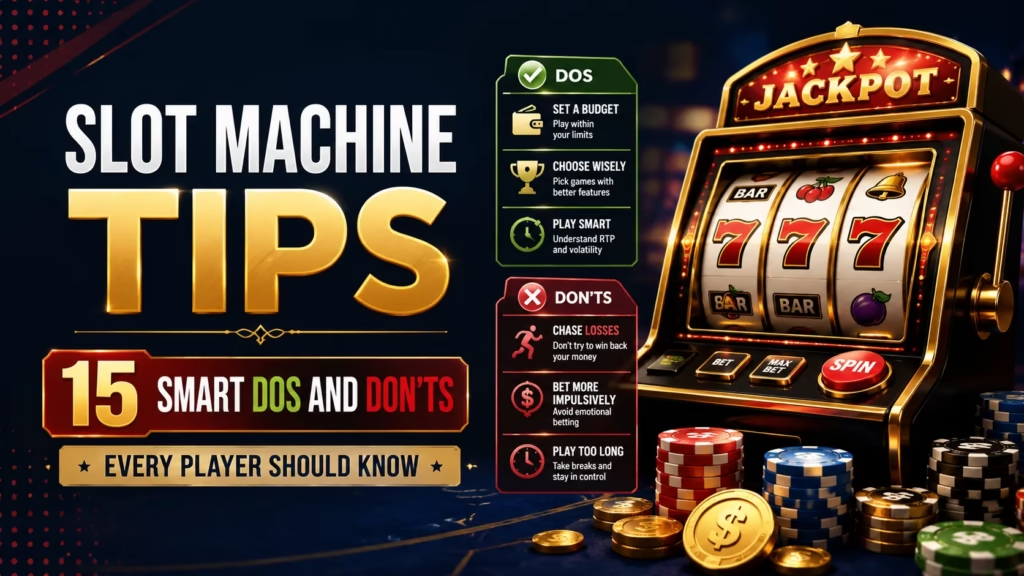
Smart Slot Machine Tips can help you play more confidently, avoid common mistakes, and enjoy the game with clearer expectations. Slot machines are built on chance, so no method can promise a win, but a better understanding of how they work can improve your decisions before and during play.
This guide covers the practical dos and don’ts that matter most: how outcomes are generated, what RTP and volatility mean, how to manage your bankroll, how to spot licensed casinos, and how to stay responsible while playing. If you are new to slots, think of this as a simple playbook for informed, safer play.
Understanding How Slot Machines Work
Slot machines look simple, but there is real technology behind every spin. Modern slots use random number generation, fixed or variable paylines, payout tables, and different volatility levels to shape the playing experience. Knowing these basics helps you avoid myths, like believing a machine is “due” for a win after a long losing streak.
The most important point is this: outcomes are random. A smart player focuses on what can be controlled, such as budget, game choice, and site selection, not on trying to predict the next result.
The Role of RNG and Chance in Slots
RNG stands for Random Number Generator. It is the system that determines the result of each spin. Every spin is independent, which means the machine does not remember previous spins and does not “owe” a payout.
A common mistake is reading patterns into streaks. For example, if a slot pays out twice in a short session, that does not mean it is more likely to keep paying. The same is true after several losses. Each spin still has the same random process behind it.
For players, this means timing strategies usually do not work the way people hope they will. The better approach is to treat each spin as a separate event and plan your session around limits, not assumptions.
Payout Percentages and Volatility Explained
Two terms matter a lot when comparing slot games: Return to Player, or RTP, and volatility. RTP is the long-term theoretical percentage a game returns to players over time. It does not predict what will happen in one session, but it helps you understand the game’s design.
Volatility describes how often a slot tends to pay and how large those payouts may be. Low-volatility slots usually offer smaller wins more often. High-volatility slots may pay less frequently, but the wins can be larger when they do land.
A simple way to think about it: if you want longer play sessions with steadier results, a lower-volatility slot may feel more comfortable. If you are comfortable with bigger swings and fewer hits, a higher-volatility game may suit you better. Neither option is “better” in a winning sense; the right choice depends on your budget and your tolerance for risk.
Smart Dos for Slot Machine Players
The most useful slot machine advice is often the most practical. Good habits do not change the odds, but they do help you manage your money, make better choices, and reduce stress. These habits are especially useful for beginners, but experienced players use them too.
Manage Your Bankroll Wisely
Set a bankroll before you start and decide how much of it you are willing to lose in that session. If your budget is $100, divide it into smaller play sessions instead of putting everything into one long run. That gives you more control and makes it easier to stop at the right time.
It also helps to set a win limit. If you have a good session and double your bankroll, decide in advance whether you will cash out part of it or end the session. A plan keeps emotion from taking over after a lucky streak.
Mini-scenario: a player starts with $50 and decides in advance to stop if the balance drops to $25. That rule does not guarantee a win, but it prevents the common mistake of trying to win back every lost dollar in one sitting.
Understand Slot Rules and Paytables Before Playing
Before you spin, review the paytable and game rules. The paytable shows symbol values, bonus triggers, special features, and sometimes the difference between standard and premium paylines. In online slots, this information is usually found through an info button or help menu. In a land-based casino, it may be displayed on the machine screen or in the game’s menu.
This step matters because two slots that look similar can play very differently. One may offer frequent small wins. Another may rely on bonus rounds for bigger payouts. If you do not check the rules, you may bet on a game that does not match your budget or expectations.
Look for details like minimum and maximum bets, bonus buy options if available, and whether all paylines are active. These small checks can save confusion later.
Choose Licensed and Reputable Casinos
Always play at licensed, regulated casinos or approved gaming venues. Licensing matters because regulated operators must follow rules for fairness, security, and player protection. That does not remove the risk of loss, but it does help reduce the chance of unfair or unsafe play.
To verify a casino, look for its license information in the footer, the terms page, or the regulator reference page. Then cross-check that license with the relevant gaming commission or official regulator. If the operator hides its details, uses vague language, or makes it difficult to find terms, treat that as a warning sign.
Reputable casinos also provide clear contact information, transparent bonus terms, and responsible gambling tools such as deposit limits and self-exclusion options.
Common Don’ts to Avoid When Playing Slots
Many slot mistakes happen because players react emotionally. A bad session can lead to bigger losses if you keep trying to force a recovery. A good session can also create overconfidence, which may lead to careless betting. These don’ts help you stay grounded.
Don’t Chase Losses or Increase Bets Recklessly
Chasing losses means increasing bets or extending your session because you want to recover money quickly. This often leads to more stress and larger losses, especially in a chance-based game where each spin remains random.
If you reach your limit, stop. Take a break, step away, or switch to another activity. If you still want to play later, return with a fresh budget and a clear mind, not frustration.
Example: a player loses 30% of their budget early and responds by doubling the bet size. That may feel like a fast recovery plan, but it usually increases risk rather than reducing it.
Avoid Trusting “Winning Systems” or “Guaranteed Strategies”
Be skeptical of anyone claiming to have a system that beats slot machines. Because slots use RNG, there is no method that guarantees profit or predicts the next outcome. Claims about secret patterns, hot and cold cycles, or “insider” timing tricks are usually misleading.
Some advice online is harmless but useless. Other advice is designed to sell something. Either way, the safest rule is simple: if someone promises guaranteed wins from slots, the claim is not reliable.
Real slot machine tips focus on control, not certainty. That means budget management, game selection, and responsible play, not magic formulas.
Don’t Ignore Responsible Gambling Practices
Responsible gambling should be part of every slot session. Set a time limit as well as a money limit, because long sessions can make losses harder to notice. If your mood changes, you become irritated, or you start increasing bets out of emotion, it is time to stop.
If gambling feels difficult to control, use the tools available from regulated operators, such as deposit caps, time-outs, or self-exclusion. You can also contact local support services or gambling help organizations in your region. Because rules and support resources vary by location, check trusted local sources for the most current guidance.
Slots involve financial risk. Play only with money you can afford to lose, and never use gambling to solve a financial problem.
Practical Tips and Mistakes to Watch Out For
The table below gives a quick reminder of useful habits and common mistakes. Save it as a simple checklist before your next session.
| Tip or Mistake | Why It Matters | How to Implement or Avoid |
|---|---|---|
| Set a session bankroll | Prevents overspending and helps control losses | Decide your budget before you start and do not add more mid-session |
| Check the paytable | Shows how the slot pays and how features work | Open the info screen and review symbols, bonuses, and bet requirements |
| Choose licensed casinos | Reduces the risk of unfair or unsafe play | Verify the operator’s license with the relevant regulator |
| Do not chase losses | Helps avoid emotional betting and bigger losses | Take a break when you hit your loss limit |
| Understand volatility | Sets realistic expectations for win frequency and size | Select a game that matches your budget and comfort level |
| Avoid “sure win” claims | Protects you from scams and false expectations | Treat any guaranteed system as a red flag |
One useful habit is to pause after every set number of spins or after every bonus round. That small break gives you a chance to check your balance and avoid drifting beyond your plan.
What to Check Before Playing Any Slot Machine
Before you start any slot session, run through a quick pre-play check. This takes only a minute or two, but it can prevent a lot of confusion and bad decisions later.
- Check whether the casino or venue is licensed in your jurisdiction.
- Look for the game’s RTP or other official game information when it is provided.
- Review the minimum and maximum bet sizes.
- Read the bonus rules, especially for free spins or multipliers.
- Confirm whether the game is suitable for your budget and risk tolerance.
- Watch for warning signs such as missing license details, unclear terms, or pressure to deposit quickly.
If a slot game or casino does not provide clear information, that is a reason to slow down or walk away. Fair, legal operators usually make key information easy to find.
Staying Informed and Responsible While Enjoying Slots
Gambling rules, licensing standards, and game offerings can change. That is why it is smart to check the latest details from official regulators, licensed operators, and trusted gambling information sources before you play. A game available in one region may not be legal or available in another, and bonus terms can also change.
Keep responsible gambling habits in place every time you play. Use limits, take breaks, and avoid making decisions based on frustration or excitement. If you are unsure about the legality of online slots where you live, review local gambling laws and age rules before depositing money.
Good slot play is not about outsmarting randomness. It is about playing with clear limits, choosing regulated venues, and keeping your expectations realistic. That approach will not remove the risk, but it can make the experience safer and more enjoyable.
FAQ
What are the best slot machine tips for beginners?
The best beginner tips are to set a budget, learn the paytable, understand that slots are random, and choose licensed casinos. Start with small bets, use time limits, and never play with money you cannot afford to lose.
Can you increase your chances of winning on slot machines?
You cannot guarantee a win on slot machines because each spin is random. You can make smarter choices by selecting games with suitable RTP and volatility, managing your bankroll, and playing at reputable casinos.
How do I find out if a slot machine is fair?
Check whether the casino is licensed, look for official game information such as RTP when available, and verify that the operator is regulated by a recognized gaming authority. Fair, legal operators are transparent about their terms and licensing.
What does volatility in slot machines mean?
Volatility describes how often a slot tends to pay and how large the payouts may be. Low-volatility slots usually pay smaller amounts more often, while high-volatility slots may pay less often but with larger wins when they hit.
How can I gamble responsibly when playing slots?
Set money and time limits, avoid chasing losses, take breaks, and stop if play stops being fun. If gambling feels hard to control, use responsible gambling tools or seek help from local support services.