The world of online gambling is no longer confined to spinning 2D reels or clicking static poker tables. Welcome to 2026 — the age of immersive “meta-casinos,” where virtual reality meets human connection, digital economies, and sensory realism. What was once a futuristic concept has now evolved into the centerpiece of the next-generation gambling experience.
Today’s top VR casinos are not just about playing games; they’re about reliving the social thrill of Las Vegas, minus the flight. Here’s how the metaverse is redefining what it means to gamble online — and why this revolution is betting big on experience, presence, and play.
The Death of Isolation: Reviving the Social Energy of Gambling
For years, online casinos carried a silent problem — players often felt alone behind the screen. No chatter. No reactions. Just clicks and payouts. But in 2026, VR casinos are dismantling that wall of isolation.
Inside a metaverse casino, users step into fully realized 3D environments that mimic real-world casino floors. You can walk through marble lobbies, exchange greetings at blackjack tables, or watch other players’ avatars strike gold on slot machines across the room. Voice and chat functions bridge the gap between players, and the realism of body language (powered by motion capture and AI-driven avatars) makes the interaction feel natural.
It’s no longer just “playing online.” It’s being there, complete with the shared adrenaline that defines Las Vegas.
For social gamblers — and let’s face it, most are — this revives the camaraderie that was lost during the switch from land-based to online play. Players can host mini-tournaments, celebrate virtual jackpots together, or meet like-minded enthusiasts from around the globe right inside their VR lounges
Haptic Feedback: The Tech That Makes You “Feel” the Game
The rise of haptic technology has taken realism to the next level. New-generation VR casino platforms now incorporate sensory feedback that simulates the physical feel of gambling — the weight of poker chips, the smooth pull of a slot lever, or even the subtle vibration as the roulette wheel slows.
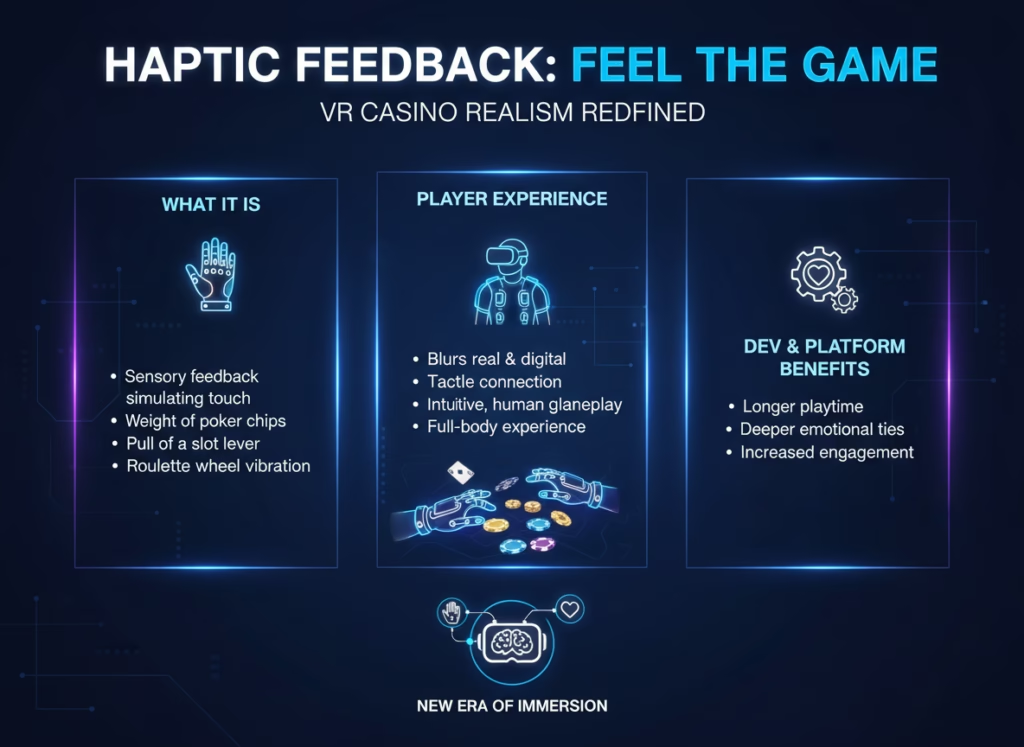
This level of interactivity blurs the boundary between real and digital gambling. It stimulates a tactile connection that players never experienced in older, click-based systems. Haptic gloves and vests synchronize with VR visuals, translating every in-game motion into a physical sensation. Gameplay feels intuitive and deeply human again.
For developers, this sensory engagement encourages longer playtime and deeper emotional ties to the platform. For players, it transforms online gambling from a pastime into a full-body experience.
The Metaverse Economy: NFTs as Digital Trophies
In metaverse casinos, winning isn’t limited to cash prizes anymore. Victories come with digital prestige — collectible NFTs that act as proof of accomplishment, status, or ownership.
These non-fungible tokens are more than virtual novelties. They serve as custom items you can display in your personal digital penthouse: rare slot symbols, exclusive poker chips, or one-of-a-kind avatar skins. Each token can hold verified value in the metaverse economy, letting users trade or showcase their achievements across multiple virtual platforms.
It’s a new form of gambling bragging rights, blending blockchain permanence with the thrill of winning. Imagine walking through your metaverse suite — neon-lit windows overlooking a virtual skyline — while your NFT trophies shimmer proudly on digital shelves. In 2026, it’s not just about winning; it’s about being remembered.
The New Era of “Playable Presence”
The metaverse brings a psychological shift often overlooked by traditional online gambling — presence. In VR, you don’t merely control a game; you inhabit it. That sense of digital embodiment provides emotional fulfillment similar to real-life casino visits.
Gamblers who once missed the live energy of tables and slot floors now find themselves surrounded by dynamic soundscapes, personalized lighting, and AI-driven hosts. These spaces learn from player preferences — from your favorite background music to the type of tables you frequent — creating an environment that feels deeply tailored and alive.
This “playable presence” is transforming the user experience model from transactional to relational, where time spent online doesn’t feel like time wasted but time well-lived.
The Business Behind the Bet
For the iGaming industry, VR and metaverse casinos open up an entirely new financial ecosystem. Brands are now selling virtual real estate, renting premium gaming rooms, and collaborating with digital artists to design NFT-based slot themes. Virtual hosts and influencers earn from in-game events, while blockchain-based economies ensure transparency and traceability in every transaction.
Because players can access metaverse casinos through cross-platform VR devices (like Meta Quest or Apple Vision Pro), the market is expanding at record speed. Investors are eyeing this space not just as “online gambling 2.0” but as a fully developed economy with revenue potential across entertainment, virtual design, and social networking sectors.
Why 2026 Belongs to the Meta-Casino
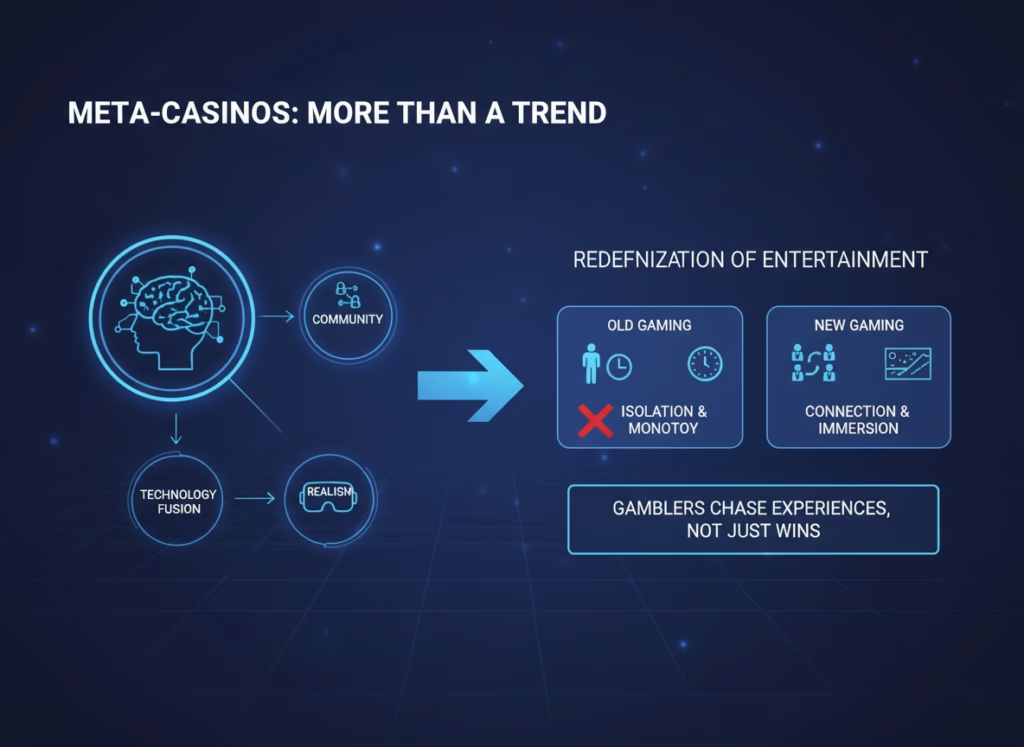
The fusion of technology, community, and realism makes meta-casinos more than a passing trend — they’re a redefinition of what gaming entertainment means. As connection and immersion replace isolation and monotony, the future gambler is no longer just chasing wins but chasing experiences.
In this new digital realm, poker faces return, slot wins feel real, and every victory leaves a mark in your virtual world. The stakes aren’t just higher — they’re more personal, more sensory, and more social than ever before.
The metaverse is no longer the future of gambling. It is gambling — just evolved